Beyond Agreement

Building the muscle of thoughtful discourse – together


Beyond Agreement dives into the issues that divide us. This isn’t about changing minds—it’s about opening them. We create a space for you to speak your mind in the comments, truly listen to others, and understand the path someone walked to get where they are. We’re here to master the difficult but vital art of disagreeing without disrespect. Join us and discover what lies on the other side of your assumptions.
Please add your email address to the free subscribe box below and receive our latest insights delivered straight to your inbox.

Subscribe

Enter your email below to receive updates.

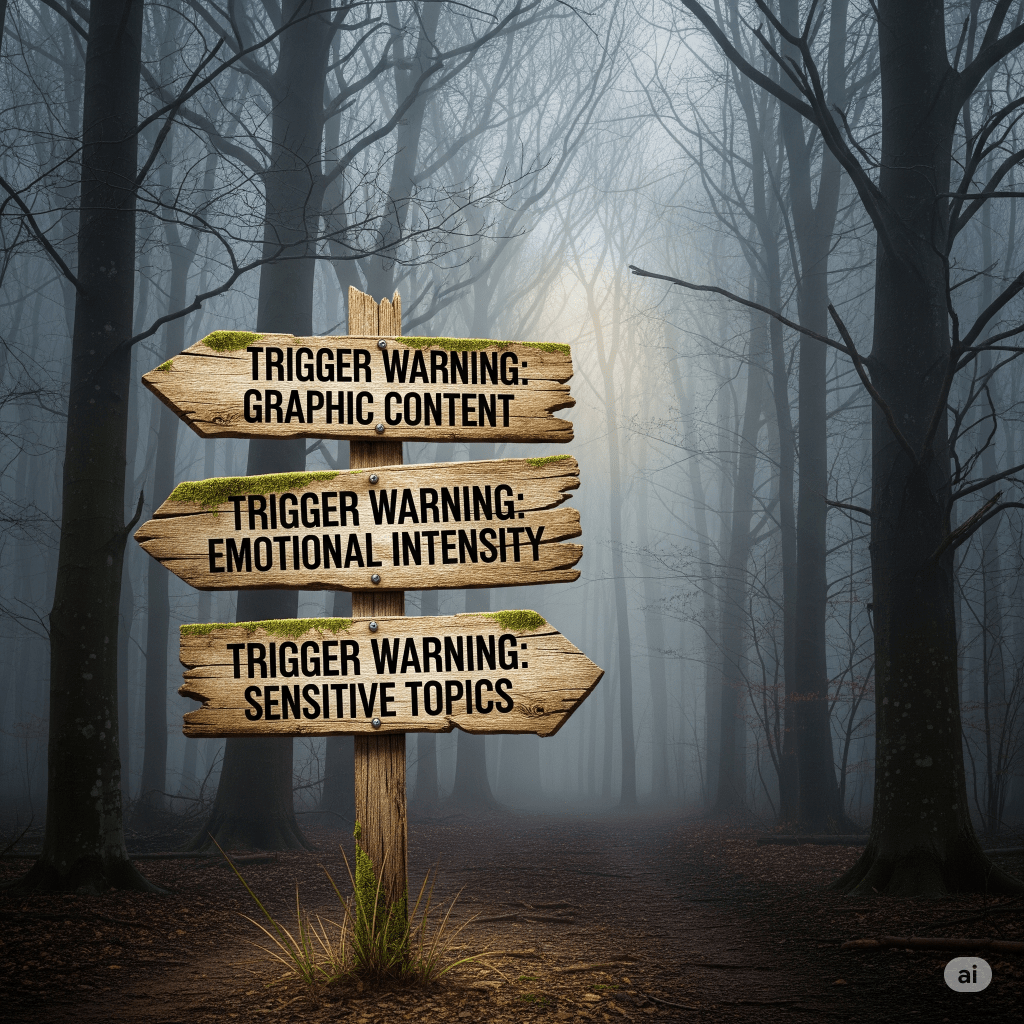
Seeking Advice: How Do We Handle Trigger Warnings?

As a new content creator, I’m genuinely trying to navigate the topic of trigger warnings and would love to hear from others who have more experience.

Recently, I was reminded of a successful parenting trick I used with my daughter, who was afraid of loud noises: I would give her a quick heads-up before an unexpected sound, and it helped her prepare and feel more secure. This made me believe that trigger warnings, in some form, can be a kind and effective tool.

However, the online world seems so much more complex. As I was writing about genetic testing and amniocentesis, I realized the need for a warning, which sent me down a rabbit hole of questions.

I’m hoping to hear your thoughts on some of these questions:

  • Who do you think gets to decide what warrants a trigger warning? And can a warning itself become a trigger for someone who might have otherwise scrolled past it?
  • What’s the right balance for a creator like me to strike? Is it possible to anticipate every trigger, and if I miss one, does that make me insensitive or just uninformed?
  • Do you think our generation is less resilient, or is the sheer volume of content we consume the real reason we need more of these warnings?
  • I also recently heard a story from a person who had experienced a loss and felt that a trigger warning was a command to “look away from my pain”. This makes me wonder if we’ve created a safe space for some while unintentionally causing harm to others.

Any advice on how to think about this would be greatly appreciated, especially if you have seen any data or guides on what types of online warnings are most effective or might be causing harm. I’m really looking to learn and grow from this community.


4 responses to “Seeking Advice: How Do We Handle Trigger Warnings?”

  1. I think that if you are posting a story about a dog dying you may want a trigger warning. If you are posting something political and divisive that will offend some people, a trigger warning won’t help. They may stop following you with or without trigger warning. For personal stories and experiences, science, facts, non-divisive opinion, non-divisive-poems, trigger warnings are not needed.

    Liked by 1 person

  2. Thank you for your thoughtful comment, Thomasstigwikman. I appreciate you taking the time to share your perspective.
    I agree with many of your points, particularly your insights regarding political views. I’d like to delve deeper into your point about personal stories and experiences. Your example of a trigger warning for a dog’s death highlights just how personal and subjective these warnings can be. To better understand this topic, I’d like to invite others to share their own examples of trigger warnings based on personal experiences. This might help us identify potential themes or demonstrate the wide variety of triggers that exist.

    Like

  3. You can’t anticipate every trigger. There are 6 billion people out there, each of them with different mindsets, sensitivities etc. What is harmless and even “common sense” for one can be a very sensitive matter for someone else. I think, the fewer and more general the warnings are, the better, because the focus should be on what you create. If for example one of your main subjects is politics, then warn for that. If it’s religion, do the same. But trying to figure out every possible trigger for everything you create is an impossible task. Not to mention, the more and more specific warnings you add the more people would feel the warning that fits them wasn’t there. While if you stay general you practically group everything under these main warnings and hence, everyone is included.

    Liked by 2 people

    1. ​Thank you, Yorgos KC. Your response provided a lot of clarity on this. I appreciate your feedback about how it would be an insurmountable task to anticipate every single trigger. The reminder that we should use warnings sparingly so they don’t get diluted is an especially valuable point.

      Liked by 1 person

Leave a reply to Brittany Cancel reply